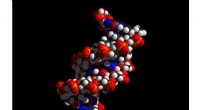
* One strand runs 5' to 3', meaning the phosphate group is attached to the 5' carbon of the sugar, while the hydroxyl group is attached to the 3' carbon.
* The other strand runs 3' to 5', meaning the hydroxyl group is attached to the 5' carbon, while the phosphate group is attached to the 3' carbon.
This antiparallel arrangement is crucial for the formation of the hydrogen bonds between complementary base pairs (A with T, and C with G), which hold the two strands together. It also contributes to the stability of the DNA molecule.