However, I can tell you about the type of microscopes used to view living organisms:
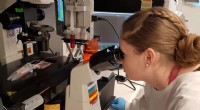
* Light Microscopes: These are the most common type and use visible light to illuminate the specimen. They are good for viewing living organisms in their natural state, as they don't require special preparation. There are different types of light microscopes, including:
* Compound Light Microscopes: These microscopes use multiple lenses to magnify the specimen. They are commonly used in schools and labs.
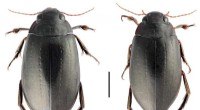
* Stereomicroscopes (Dissecting Microscopes): These microscopes are designed to view larger specimens in 3D. They are often used for dissecting and examining insects or other small animals.
* Phase-Contrast Microscopes: These microscopes use the differences in refractive index of light to create contrast, making it easier to view unstained, transparent organisms.
* Differential Interference Contrast (DIC) Microscopes: Similar to phase-contrast microscopes, these microscopes use polarized light to create contrast and produce a 3D-like image.
* Fluorescence Microscopes: These microscopes use fluorescent dyes to illuminate specific structures within a cell or organism. They are often used for research purposes, such as studying the movement of proteins within cells.
The best type of microscope for viewing living organisms depends on the size and nature of the organism, as well as the specific features you want to observe.