Here are some of the key roles enzymes play:
1. Metabolism:
* Breakdown of food: Digestive enzymes break down large food molecules into smaller units that the body can absorb. Examples include amylase (breaks down starch), protease (breaks down proteins), and lipase (breaks down fats).
* Energy production: Enzymes are crucial for cellular respiration, the process that converts food into energy. For example, ATP synthase is responsible for producing ATP, the energy currency of cells.
* Synthesis of molecules: Enzymes are involved in building essential molecules, such as proteins, carbohydrates, and lipids. This includes DNA replication and repair.
2. Cellular Processes:
* Cell signaling: Enzymes are involved in transmitting signals within and between cells, regulating processes like growth, development, and response to stimuli.
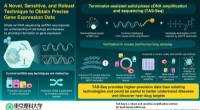
* Gene expression: Enzymes regulate the transcription and translation of genes, controlling which proteins are produced and when.
* Immune response: Enzymes play a role in the immune system, breaking down pathogens and activating immune cells.
3. Other functions:
* Detoxification: Enzymes break down harmful substances, protecting the body from toxins.
* Repair: Enzymes are involved in repairing damaged DNA and proteins.
* Muscle contraction: Enzymes play a role in the contraction of muscle fibers.
In summary: Enzymes are like tiny molecular machines that perform vital tasks within organisms. They speed up chemical reactions, allowing for efficient metabolism, cell function, and overall survival. Without enzymes, life as we know it wouldn't be possible.