Here's a breakdown:
* Symbiosis: This term describes any close and long-term interaction between two different biological species.
* Mutualism: This is a specific type of symbiosis where both species involved benefit from the interaction.
Examples of Mutualistic Relationships:
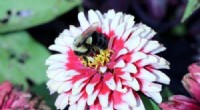
* Bees and Flowers: Bees get nectar from flowers, which they use for food. In the process, they pollinate the flower, helping it reproduce.
* Cleaner Fish and Larger Fish: Cleaner fish eat parasites off larger fish, providing a cleaning service. The larger fish benefits from being parasite-free, while the cleaner fish gets a meal.
* Oxpeckers and Zebras: Oxpeckers are birds that eat ticks and other parasites off zebras. The zebras get rid of annoying pests, and the oxpeckers get a meal.
* Lichen: Lichen is actually a combination of fungi and algae. The fungi provide structure and protection for the algae, while the algae provide food through photosynthesis.
* Mycorrhizae and Plants: Mycorrhizae are fungi that grow on the roots of plants. The fungi help the plants absorb nutrients from the soil, while the plants provide the fungi with sugars produced through photosynthesis.
Key Points:
* Both species benefit. This is the defining feature of a mutualistic relationship.
* The relationship is usually not essential for survival. While the relationship is beneficial, both species can usually survive without the other.
* The relationship can be obligate or facultative. An obligate mutualism means both species *need* the relationship to survive. A facultative mutualism means the relationship is beneficial but not strictly necessary for survival.
Understanding mutualistic relationships is important for understanding how ecosystems work and how organisms interact with each other.