The evolution of sex in algae is a complex story, marked by a diverse array of reproductive strategies and evolutionary adaptations. While a single, clear origin remains elusive, we can explore the different paths leading to sexual reproduction in these fascinating organisms.
Early Origins:
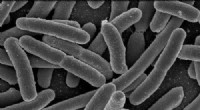
* Lateral Gene Transfer: Evidence suggests that sex likely originated through lateral gene transfer from bacteria, which are known to engage in genetic exchange. This transfer brought genes essential for meiosis and recombination into the early algal lineage.
* Environmental Stress: Sex may have evolved as a response to environmental stress. It increases genetic diversity, enabling populations to adapt to changing conditions and combat pathogens.
Evolutionary Pathways:
Algae exhibit diverse reproductive strategies, with both asexual and sexual reproduction occurring in different groups. This diversity allows us to trace the evolution of sex:
* Asexual Reproduction: Many algal species reproduce primarily asexually, through processes like binary fission, fragmentation, and budding. This is a rapid and efficient method, especially in stable environments.
* Isogamy: The earliest form of sexual reproduction likely involved isogamy, where both gametes (sex cells) are similar in size and morphology. This is seen in some green algae.
* Anisogamy: Over time, anisogamy evolved, with one gamete becoming larger and less motile (female) while the other became smaller and more motile (male). This distinction is observed in many brown and red algae.
* Oogamy: The ultimate form of sexual differentiation is oogamous reproduction, where the female gamete (egg) is large and non-motile, while the male gamete (sperm) is small and motile. This is common in many complex algal species.
Evolutionary Adaptations:
* Life Cycle Diversity: Algae exhibit various life cycle strategies, including haploid-dominant, diploid-dominant, and alternation of generations. These strategies evolved to optimize reproduction in different environments.
* Sexual Induction Mechanisms: Algal species have developed unique mechanisms for inducing sexual reproduction. These can be triggered by environmental factors like light, nutrients, or temperature.
* Gamete Recognition: Specialized proteins and chemical cues allow algal gametes to recognize and fuse with the correct partner, ensuring successful fertilization.
Challenges and Future Research:
Despite the progress made in understanding algal sex, there are still many unanswered questions:
* The exact origin and timing of sex in algae remain unclear. Further research is needed to pinpoint the genetic and environmental factors that led to its evolution.
* The role of sex in adaptation and speciation in algae needs further investigation. Understanding how sexual reproduction contributes to genetic diversity and evolution is crucial for conservation and biotechnology.
Overall, the evolution of sex in algae provides a fascinating example of how diverse reproductive strategies can arise and adapt to changing environments. By studying these organisms, we can gain insights into the origins of sex and its importance in shaping the diversity of life on Earth.