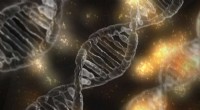
* Building blocks: Matter is the stuff that makes up everything, including organisms. The atoms and molecules in matter are used to construct all the parts of a living being, like cells, tissues, organs, and even their bodies.
* Energy sources: Many forms of matter serve as sources of energy for organisms. For example, plants use sunlight, water, and carbon dioxide to create energy through photosynthesis. Animals consume plants or other animals to obtain the energy they need.
* Essential nutrients: Specific elements and compounds are crucial for life processes. These include:
* Carbon: The backbone of organic molecules like proteins, carbohydrates, and fats.
* Oxygen: Used in respiration to release energy from food.
* Hydrogen: A component of water and many other organic molecules.
* Nitrogen: Essential for building proteins and nucleic acids (DNA and RNA).
* Phosphorus: Part of DNA, RNA, and ATP (energy carrier).
* Calcium: Important for bones, teeth, and nerve function.
* Iron: Essential for carrying oxygen in the blood.
* Vitamins and minerals: A variety of elements and compounds needed in small amounts for specific bodily functions.
In summary: Matter is absolutely vital for life processes. It provides the building blocks for organisms, sources of energy, and essential nutrients for maintaining life.