Here's a breakdown:
* Concentration Gradient: This refers to the difference in concentration of a substance across a membrane. Molecules naturally move from areas of high concentration to areas of low concentration (down the concentration gradient).
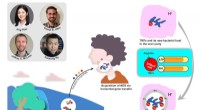
* Active Transport: This process uses energy, typically in the form of ATP, to move molecules against their concentration gradient.
* Active Transport Proteins: These proteins act as pumps, using energy to bind to the molecules and move them across the membrane.
Here are some examples of what active transport proteins do:
* Nutrient Uptake: Cells need to take in essential nutrients like glucose and amino acids from the surrounding environment even if their concentration inside the cell is higher. Active transport proteins help with this uptake.
* Waste Removal: Cells need to get rid of waste products like toxins. Active transport proteins help pump these wastes out of the cell.
* Maintaining Ion Gradients: Maintaining the correct concentration of ions like sodium, potassium, and calcium inside and outside the cell is crucial for many cellular processes. Active transport proteins play a key role in this.
Let me know if you'd like more information on a specific aspect of active transport.