Genetics as Biology:
* Study of inheritance: Genetics focuses on how traits are passed from one generation to the next, a core concept in biology.
* Genes and their role: Genetics investigates genes, the units of heredity responsible for characteristics like eye color or disease susceptibility. Genes are essentially blueprints for life, dictating the development and function of organisms.
* Organisms and their interactions: Genetics delves into how genes operate within organisms and interact with each other, influencing everything from growth to disease resistance.
Genetics as Chemistry:
* DNA and RNA: The foundation of genetics is the chemical structure of DNA and RNA. These molecules carry genetic information encoded in their specific sequence of nucleotides.
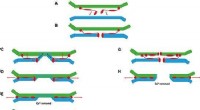
* Molecular processes: Many key genetic processes, like DNA replication, transcription (DNA to RNA), and translation (RNA to protein), are driven by chemical reactions. These reactions involve complex enzymes and molecules that interact with DNA and RNA to carry out these crucial functions.
* Chemical basis of traits: The specific amino acid sequence of proteins, determined by the genetic code, ultimately dictates the protein's function and how it contributes to an organism's traits.
Therefore, genetics combines the biological principles of inheritance and the chemical nature of DNA and RNA to explain how traits are passed on and how organisms function.