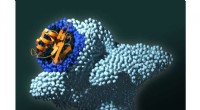
* Phagocytosis: This is the process of engulfing large solid particles, like bacteria or cellular debris. The cell membrane extends outwards, surrounding the particle and forming a vesicle called a phagosome.
* Pinocytosis: This is the process of engulfing liquid droplets or dissolved substances. The cell membrane invaginates, forming a pocket that traps the liquid and pinches off to become a vesicle called a pinosome.
Here's a breakdown of the process:
1. Recognition: The cell membrane has receptors that can recognize specific molecules on the surface of the food particle.
2. Attachment: The receptors bind to the food molecule, triggering the endocytosis process.
3. Invagination: The cell membrane starts to fold inwards, forming a pocket around the food molecule.
4. Vesicle Formation: The membrane closes around the food molecule, forming a sealed vesicle.
5. Internalization: The vesicle detaches from the cell membrane and moves into the cytoplasm.
6. Digestion: The vesicle fuses with lysosomes, which contain digestive enzymes that break down the food molecule into smaller components.
Important Note: Not all cells are capable of phagocytosis or pinocytosis. Only specialized cells, like white blood cells (phagocytes) and some types of epithelial cells, can engulf large particles.