1. Reconstructing Evolutionary Trees:
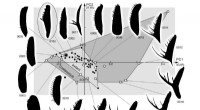
* Phylogenists use various data sources, such as DNA sequences, anatomical features, and fossil records, to construct phylogenetic trees. These trees depict the evolutionary relationships between different species or groups of organisms.
* They employ different methods like cladistics, phenetics, and molecular phylogenetics to analyze these data and generate accurate representations of evolutionary history.
2. Understanding Evolutionary Processes:
* By analyzing phylogenetic trees, phylogenists can decipher patterns of evolutionary change, such as the timing and order of speciation events, the rates of evolutionary divergence, and the spread of traits throughout lineages.
* They study how different evolutionary forces, such as natural selection, genetic drift, and gene flow, have shaped the diversification of life on Earth.
3. Solving Taxonomic Problems:
* Phylogenetic analyses play a crucial role in understanding the relationships between species and resolving taxonomic issues.
* They can help clarify the classification of organisms, identify cryptic species, and determine the validity of existing taxonomic groups.
4. Studying the Evolution of Traits:
* Phylogenists investigate the evolution of specific traits, such as adaptations, disease resistance, and complex behaviors.
* They trace the origins and modifications of these traits across different lineages, providing insights into the evolutionary processes underlying their development.
5. Contributing to Conservation Efforts:
* Understanding the evolutionary relationships between species can inform conservation efforts by identifying endangered lineages, prioritizing conservation actions, and understanding the impact of habitat loss or climate change.
In essence, a phylogenist is a detective of evolutionary history, reconstructing the past, understanding the present, and predicting the future of life on Earth.