Here's why:
* Mitochondria are the powerhouses of the cell: They are responsible for generating ATP (adenosine triphosphate), the energy currency of the cell.
* Energy demands vary: Cells with higher energy requirements, like muscle cells or nerve cells, need more mitochondria to produce enough ATP.
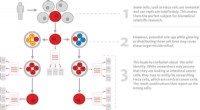
* Mitochondria can divide: Mitochondria have their own DNA and can replicate independently within the cell. This allows them to increase in number as needed.
Exceptions:
* Red blood cells (erythrocytes): Mature red blood cells lack mitochondria. They rely on glycolysis, a less efficient form of energy production, to meet their energy needs.
* Some specialized cells: Certain cell types, like sperm cells, have a unique distribution of mitochondria to support their specific function.
So, while there are a few exceptions, the general rule is that eukaryotic cells have multiple mitochondria.