The Basic Building Blocks of Life:
* Cells: Biologists investigate the structure, function, and behavior of cells, the fundamental unit of life.
* Genetics: They delve into the study of genes, heredity, and how traits are passed down from generation to generation.
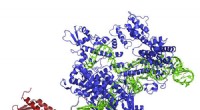
* Molecular biology: This branch focuses on the molecules that make up living organisms, including DNA, RNA, and proteins.
Organisms and Their Interactions:
* Anatomy and Physiology: Biologists study the structure and function of living organisms, from individual organs to entire systems.
* Ecology: They examine the relationships between organisms and their environment, including how species interact with each other and the impact of human activity.
* Evolution: Biologists investigate the history of life on Earth and how species have evolved over time.
* Behavior: They study animal behavior, including social interactions, communication, and learning.
Specific Fields of Study:
* Botany: The study of plants.
* Zoology: The study of animals.
* Microbiology: The study of microscopic organisms like bacteria and viruses.
* Biochemistry: The study of the chemical processes that occur in living organisms.
* Biophysics: The study of the physical principles that govern biological processes.
Biologists also play an important role in many areas related to human health and the environment:
* Medicine: Biologists contribute to the development of new drugs and treatments for diseases.
* Agriculture: They work to improve crop yields and develop more sustainable farming practices.
* Conservation: They study and protect endangered species and ecosystems.
In essence, biologists are curious explorers of the living world, seeking to understand the complexities of life and its interactions with the planet.