Here's a breakdown:
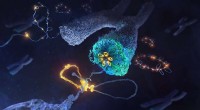
* Cytoskeleton: This intricate network of protein filaments acts like a cell's internal scaffolding. It provides structural support, helps maintain cell shape, and facilitates movement within the cell. The cytoskeleton is composed of three main types of filaments:
* Microtubules: Long, hollow tubes made of tubulin protein. They are involved in cell division, intracellular transport, and maintaining cell shape.
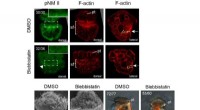
* Microfilaments (Actin filaments): Solid, thin fibers made of actin protein. They play a role in muscle contraction, cell movement, and maintaining cell shape.
* Intermediate filaments: Rope-like fibers made of various proteins. They provide structural support and help anchor organelles within the cell.
While the cytoskeleton plays the most significant role, other components also contribute to cell organization and shape:
* Cell wall (in plant cells): A rigid outer layer that provides structural support and protection.
* Plasma membrane: The outer boundary of the cell that regulates what enters and exits. It also helps maintain cell shape by providing a flexible barrier.
* Organelles: Various specialized structures within the cell, such as the nucleus, mitochondria, and Golgi apparatus, contribute to the cell's overall organization and function.
In summary, the cytoskeleton is the primary structure responsible for maintaining the shape and internal organization of a cell, but it works in conjunction with other cellular components to ensure proper cellular function.