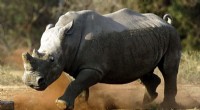
1. Individual Organisms: This is the most basic level of organization. Individual organisms are living beings that can carry out life processes independently. Examples include a single bacterium, a tree, or a human being.
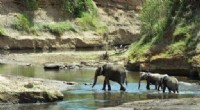
2. Populations: A population consists of all the individuals of a single species living in a particular area at the same time. Examples include a population of oak trees in a forest, a population of bacteria in a petri dish, or a population of humans in a city.
3. Communities: A community is comprised of all the different populations of organisms interacting within a given area. Examples include a forest community with trees, animals, fungi, and bacteria, or a coral reef community with various fish, invertebrates, algae, and corals.
4. Ecosystems: An ecosystem is a community of organisms interacting with their physical environment. This includes both living (biotic) and non-living (abiotic) components. Examples include a freshwater lake ecosystem, a desert ecosystem, or a rainforest ecosystem.
5. Biomes: Biomes are large-scale ecosystems characterized by specific climatic conditions and dominant plant and animal life. Examples include tropical rainforests, deserts, grasslands, tundra, and temperate forests.
6. Biosphere: The biosphere encompasses all the ecosystems on Earth, including all living organisms and their physical environment. It represents the entire zone of life on Earth.
Key Interrelationships:
* Species interactions: Organisms within a community interact in various ways, including predation, competition, mutualism, and commensalism.
* Nutrient cycling: Ecosystems rely on the continuous flow of nutrients, such as carbon, nitrogen, and phosphorus, between organisms and their environment.
* Energy flow: Energy flows through ecosystems from sunlight to producers (plants) to consumers (animals) and decomposers (bacteria and fungi).
Understanding the organization of the biosphere is crucial for:
* Conservation efforts: Recognizing how species and ecosystems are interconnected allows us to implement effective conservation strategies.
* Climate change research: Understanding the effects of climate change on different levels of organization can help us predict and mitigate its impacts.
* Sustainable development: Knowledge of the biosphere's organization is vital for managing resources sustainably and minimizing our environmental impact.
This hierarchy illustrates the interconnectedness of life on Earth, emphasizing the importance of each level for maintaining the balance and functioning of the biosphere.