1. Division of Labor:
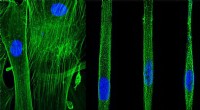
* Efficiency: Specializing cells allows them to perform specific functions much more efficiently than if they had to perform all functions. Imagine trying to do everything yourself – it would be slow and inefficient.
* Complexity: Complex organisms need to perform a vast range of tasks, from digesting food to sending signals through the nervous system. Specialization allows these tasks to be carried out effectively by different cell types.
2. Interdependence:
* Cooperation: Specialized cells work together in a coordinated fashion, relying on each other to maintain the organism's overall function. For example, muscle cells need nerve cells to tell them when to contract.
* Organ Formation: Specialized cells group together to form tissues, which in turn form organs. These organs then work together to create organ systems, such as the digestive or circulatory system.
3. Adaptability:
* Evolutionary Advantage: Specialization allows organisms to adapt to specific environments and lifestyles. For example, plants have specialized cells for photosynthesis and water absorption, while animals have specialized cells for movement, sensing, and defense.
Here's an analogy: Imagine a factory. Different workers are specialized in different tasks, like assembly, quality control, or shipping. This specialization allows the factory to produce goods much more efficiently than if each worker had to do everything. Similarly, specialized cells in complex organisms contribute to the overall efficiency and function of the organism.
In summary, complex organisms are made up of specialized cells because specialization increases efficiency, allows for the performance of complex functions, fosters cooperation and interdependence, and contributes to adaptability and evolutionary success.