Here's a breakdown:
* Deoxyribonucleic acid (DNA): DNA is the blueprint of life. It contains the instructions for building and maintaining an organism. This information is encoded in the sequence of its four nucleotide bases: adenine (A), guanine (G), cytosine (C), and thymine (T).
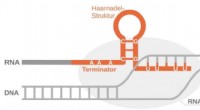
* Ribonucleic acid (RNA): RNA is involved in the process of converting the genetic information stored in DNA into proteins. It acts as a messenger, carrying the instructions from DNA to the ribosomes where proteins are synthesized.
In addition to their primary function, nucleic acids also play important roles in:
* Regulation of gene expression: Certain types of RNA can regulate which genes are turned on or off.
* Cell signaling: Nucleic acids can act as messengers in cell-to-cell communication.
* Immune response: Nucleic acids are recognized by the immune system and can trigger an immune response.
Overall, nucleic acids are essential molecules that underpin all life on Earth.