Here's why:
* Passive transport relies on the concentration gradient, meaning molecules move from an area of high concentration to an area of low concentration. Since X is more concentrated inside the cell, passive transport would move it *out* of the cell, not into it.
* Active transport requires energy to move molecules against their concentration gradient. This is necessary to bring X into the cell, where it is already more concentrated.
Examples of active transport mechanisms:
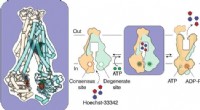
* Protein pumps: These proteins use energy (often from ATP) to move molecules across the membrane against their concentration gradient.
* Endocytosis: The cell membrane engulfs the molecule and brings it into the cell.
Let me know if you have any other questions!