1. The Basic Building Block: The Cell
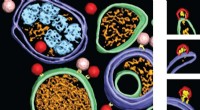
* Organelles: These are specialized structures within a cell that perform specific functions. Examples include the nucleus (containing DNA), mitochondria (energy production), ribosomes (protein synthesis), and the endoplasmic reticulum (protein and lipid processing).
* Cytoplasm: The gel-like substance within the cell that surrounds the organelles and contains various molecules.
* Plasma membrane: The outer boundary of the cell, controlling what enters and leaves.
2. From Cells to Tissues:
* Tissues: Groups of similar cells working together to perform a specific function.
* Epithelial tissue: Covers surfaces, lines cavities, and forms glands (e.g., skin, lining of the digestive tract).
* Connective tissue: Supports and connects other tissues (e.g., bone, cartilage, blood).
* Muscle tissue: Enables movement (e.g., skeletal muscle, smooth muscle, cardiac muscle).
* Nervous tissue: Conducts nerve impulses and transmits information (e.g., brain, spinal cord, nerves).
3. From Tissues to Organs:
* Organs: Structures made up of different tissues working together for a specific function. Examples:
* Stomach (digestive system)
* Heart (circulatory system)
* Lungs (respiratory system)
* Brain (nervous system)
4. From Organs to Organ Systems:
* Organ systems: Groups of organs that work together to carry out major bodily functions. Examples:
* Digestive system: Breaks down food
* Circulatory system: Transports blood and nutrients
* Respiratory system: Facilitates gas exchange
* Nervous system: Coordinates and controls body activities
* Endocrine system: Regulates hormones
5. The Complete Organism:
* All organ systems work together to maintain the life of the organism.
Important Notes:
* Prokaryotes: Simple cells without a nucleus or other membrane-bound organelles (e.g., bacteria).
* Eukaryotes: More complex cells with a nucleus and other membrane-bound organelles (e.g., plants, animals, fungi).
* Cellular differentiation: During development, cells specialize to perform specific functions.
In Summary:
The organization of cells, from simple organelles to complex organisms, is a remarkable feat of biological engineering. This hierarchy ensures that every part of an organism functions optimally for its survival and well-being.