* Mitochondria: These organelles, often called the "powerhouses of the cell," have their own DNA, called mitochondrial DNA (mtDNA). mtDNA is circular and encodes for some of the proteins involved in cellular respiration.
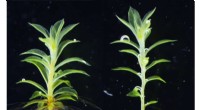
* Chloroplasts (in plants): Similar to mitochondria, chloroplasts, which are responsible for photosynthesis, also contain their own DNA called chloroplast DNA (cpDNA).
* Other cellular compartments: While less common, trace amounts of DNA can sometimes be found in other cellular compartments like the cytoplasm, although this is usually the result of cell damage or specific cellular processes.
It's important to note that these extranuclear DNA molecules (mtDNA and cpDNA) are distinct from the nuclear DNA and have their own unique characteristics and functions.