Mitosis
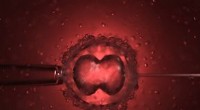
* Genetically Identical: Daughter cells produced by mitosis are genetically identical to the parent cell. They have the same number of chromosomes and the same alleles (versions of genes).
* Purpose: Mitosis is primarily for growth, repair, and asexual reproduction. It ensures that new cells have the same genetic blueprint as the original cell.
Meiosis
* Genetically Diverse: Daughter cells produced by meiosis are genetically different from the parent cell and from each other. This is due to:
* Crossing Over: During prophase I, homologous chromosomes exchange genetic material, creating new combinations of alleles.
* Independent Assortment: The way chromosomes line up during metaphase I and metaphase II is random, leading to different combinations of chromosomes in the daughter cells.
* Purpose: Meiosis is specifically for sexual reproduction. It produces haploid gametes (sperm and egg cells) with half the number of chromosomes as the parent cell, allowing for genetic diversity in offspring.
In Summary
* Mitosis: Produces genetically identical daughter cells, ideal for growth and repair.
* Meiosis: Produces genetically diverse daughter cells, crucial for sexual reproduction and creating offspring with unique genetic combinations.