1. Compartmentalization:
* Increased Efficiency: Organelles separate different cellular processes, allowing them to occur simultaneously and efficiently without interfering with each other. Imagine a factory with specialized departments; this is similar to how organelles divide the cellular "work" and improve overall productivity.
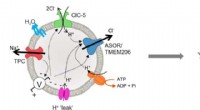
* Specialized Environments: Each organelle creates a unique internal environment optimized for specific functions. For example, the acidic environment of lysosomes is ideal for breaking down waste materials, while the mitochondria's double membrane allows for efficient energy production through respiration.
* Protection: Separating harmful or destructive processes within organelles prevents damage to the rest of the cell. For instance, the enzymes in lysosomes break down waste products and pathogens, but they are safely contained within the lysosomal membrane.
2. Increased Surface Area:
* Metabolic Activity: Membrane-bound organelles, particularly the endoplasmic reticulum (ER), provide a large surface area for biochemical reactions. This is crucial for processes like protein synthesis (rough ER) and lipid metabolism (smooth ER).
* Transport and Communication: Membranes create a framework for efficient transport of molecules within the cell and for communication between organelles. This is facilitated by specialized protein channels and pumps embedded in the membranes.
3. Flexibility and Adaptability:
* Dynamic Structure: Unlike prokaryotes, eukaryotic cells have a dynamic structure. Organelles can change shape, size, and even number depending on the cell's needs and environmental conditions.
* Evolutionary Advantage: The compartmentalization of eukaryotic cells allowed for the development of complex, specialized functions that were not possible in simpler prokaryotic cells. This gave eukaryotic cells a significant evolutionary advantage, leading to the diversity of life we see today.
In summary, membrane-bound organelles in eukaryotes contribute to efficiency, specialization, protection, increased surface area, and adaptability. They are crucial for the complex and diverse functions of eukaryotic cells.