Here's why:
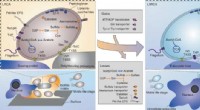
* DNA & Genes: The nucleus houses the cell's DNA, which contains the genetic instructions for all cellular processes. These instructions are organized into genes.
* Transcription & Translation: The nucleus is where DNA is transcribed into RNA. RNA then leaves the nucleus and is translated into proteins, which carry out a wide variety of functions within the cell.
* Cellular Communication: The nucleus can also regulate communication between cells by controlling the production of signaling molecules.
While the nucleus plays a central role in controlling cellular activities, it's important to remember that other organelles, such as the mitochondria and chloroplasts, also play important roles in maintaining cell function.