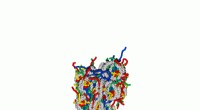
* Enzymes are proteins: Enzymes are biological catalysts made of proteins (or sometimes RNA). They are essential for all biological processes.
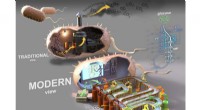
* Cells produce proteins: Cells, the basic building blocks of all living organisms, are responsible for producing proteins, including enzymes.
* Food contains enzymes: While we don't "make" enzymes by eating food, some foods naturally contain enzymes that can help with digestion. For example, raw fruits and vegetables contain enzymes like amylase and protease.
So, it's not the food itself that makes enzymes, but the living organisms (like plants, animals, and even microbes) that produce them.
Here's a simple breakdown:
1. Living organisms (like you and me) are made of cells.
2. Cells make proteins, including enzymes.
3. We eat food that contains some enzymes, but our bodies make their own enzymes for digestion and other functions.
Let me know if you have any other questions!