* Animals: Most animal species, from insects to mammals, reproduce sexually. This includes humans, dogs, cats, fish, birds, and many more.
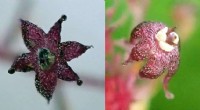
* Plants: Many plant species, including flowering plants, conifers, and ferns, reproduce sexually.
* Fungi: Most fungi reproduce sexually at some point in their life cycle.
* Algae: Some algae reproduce sexually, while others reproduce asexually.
* Protists: Some protists reproduce sexually, while others reproduce asexually.
Key Characteristics of Sexual Reproduction:
* Involves two parents: Sexual reproduction requires the fusion of genetic material from two parents.
* Production of gametes: Specialized reproductive cells called gametes (sperm and egg in animals) are produced through meiosis, a cell division process that halves the number of chromosomes.
* Genetic variation: Sexual reproduction leads to offspring that are genetically different from their parents, contributing to diversity within a species.
Note: While sexual reproduction is very common, some organisms reproduce asexually, meaning they can create offspring without the involvement of another individual. Examples include bacteria, some fungi, and some plants.