Prokaryotes:
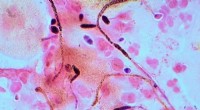
* Composition: Peptidoglycan (a complex polymer of sugars and amino acids) is the primary component of bacterial cell walls.
* Function: Provides structural support and protection, prevents the cell from bursting due to osmotic pressure.
Eukaryotes:
* Composition:
* Plants: Cellulose is the main component, along with hemicellulose and pectin.
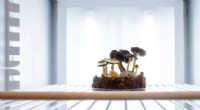
* Fungi: Chitin is the primary component.
* Algae: Cellulose, pectin, and other polysaccharides.
* Function: Provides structural support and protection, maintains cell shape, and helps regulate water movement.
Key Differences:
* Presence: While most prokaryotes have cell walls, some eukaryotes (like animals) do not.
* Composition: The primary component of prokaryotic cell walls is peptidoglycan, while eukaryotic cell walls are made of different polymers depending on the organism.
* Structure: The structure and organization of the cell wall are different between prokaryotes and eukaryotes.
In summary, cell walls are a feature shared by both prokaryotes and eukaryotes, but they differ in their composition, structure, and function depending on the organism.