1. Storing and Protecting Genetic Information:
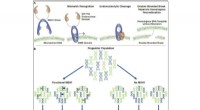
* The nucleus houses the cell's DNA, organized into chromosomes. This DNA contains the genetic instructions that determine the cell's structure, function, and development.
* The nuclear membrane, a double-layered structure, protects the DNA from damage and regulates the flow of molecules in and out of the nucleus.
2. Transcription and RNA Processing:
* DNA within the nucleus serves as a template for the synthesis of RNA molecules, a process called transcription.
* The newly synthesized RNA molecules are processed within the nucleus before being exported to the cytoplasm for protein synthesis. This processing involves adding a cap, a tail, and splicing out non-coding regions.
3. Ribosome Synthesis:
* The nucleus contains a specialized region called the nucleolus, where ribosomes are assembled. Ribosomes are essential for protein synthesis.
4. Cell Division and Replication:
* The nucleus plays a critical role in cell division. Before a cell divides, the DNA is replicated, ensuring that each daughter cell receives a complete copy of the genetic information.
* The nucleus also directs the organization of the chromosomes during cell division.
5. Regulation of Gene Expression:
* The nucleus regulates which genes are expressed and at what levels, controlling the production of specific proteins.
* This regulation is achieved through various mechanisms, including the binding of proteins to DNA, modifications to DNA, and the movement of specific DNA regions within the nucleus.
In summary:
The nucleus is a vital organelle that serves as the command center of the cell, orchestrating a multitude of cellular functions. It safeguards the genetic blueprint, directs protein synthesis, facilitates cell division, and regulates gene expression, ensuring the proper functioning and survival of the cell.