Here's why:
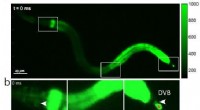
* Different Cell Types: Multicellular organisms (like humans, plants, and animals) are made up of many different types of cells, each specialized for a specific function. For example:
* Nerve cells transmit signals throughout the body.
* Muscle cells allow movement.
* Red blood cells carry oxygen.
* Skin cells form a protective barrier.
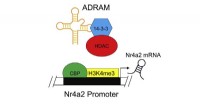
* Cell Specialization: This process, called differentiation, is what allows cells to have different structures and functions. It happens during development, where genetic instructions determine which genes are turned on or off in each cell. This leads to the creation of different types of cells with specific roles.
* Cellular Diversity: Even within the same type of cell, there can be variations. For instance, muscle cells in your leg might be slightly different than those in your arm, reflecting their different functions.
So, while cells share a common ancestor and fundamental building blocks, they are not identical. Their differences are crucial for the proper functioning of a complex organism.