1. Waste Removal:
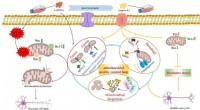
* They break down worn-out or damaged cell parts, like mitochondria, and other cellular debris. This process is called autophagy.
* They digest materials taken in from outside the cell, such as bacteria, viruses, and food particles.
2. Cellular Recycling:
* They break down complex molecules into simpler ones, which can then be reused by the cell.
* This recycling process is essential for maintaining the cell's health and function.
3. Defense:
* They destroy harmful bacteria and viruses that enter the cell.
* They can also break down and remove harmful substances from the cell, such as toxins and heavy metals.
4. Development:
* They play a role in the development of the fetus, breaking down tissues that are no longer needed.
5. Other functions:
* Lysosomes are also involved in bone resorption, the breakdown of bone tissue.
* They can help to regulate cell signaling.
In essence, lysosomes are critical for maintaining the health and survival of the cell by:
* Removing waste: They prevent the accumulation of harmful substances.
* Recycling resources: They ensure the cell has the building blocks it needs to function.
* Protecting the cell: They destroy invaders and harmful substances.