Absorption:
* Surface Area: Cells increase their surface area for absorption by:
* Microvilli: These finger-like projections on the cell membrane significantly increase the surface area for nutrient absorption, especially in cells lining the small intestine.
* Folding: Cells in the digestive and respiratory systems fold their membranes to create more area for absorbing nutrients and gases.
* Membrane Proteins: Specialized proteins embedded within the cell membrane play crucial roles in absorption:
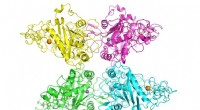
* Transport Proteins: These act as carriers, facilitating the movement of specific molecules across the membrane, often against their concentration gradient (active transport).
* Channel Proteins: These form pores through the membrane, allowing for the passive diffusion of small molecules like water and ions.
* Receptors: These proteins bind to specific molecules, triggering internal signaling pathways that initiate absorption processes.
* Cellular Compartments: Specialized compartments within the cell help store and process absorbed materials:
* Vesicles: These small sacs enclose and transport absorbed molecules throughout the cell.
* Lysosomes: These contain enzymes that break down absorbed molecules into smaller components for further processing.
Excretion:
* Membrane Proteins: Similar to absorption, specialized proteins play a key role in excretion:
* Transport Proteins: These actively transport waste products out of the cell, often against their concentration gradient.
* Channel Proteins: These facilitate the passive diffusion of waste products out of the cell.
* Exocytosis: This process involves packaging waste products within vesicles that then fuse with the cell membrane and release their contents outside the cell.
* Specialized Organelles:
* Golgi Apparatus: This organelle modifies and packages waste products for excretion.
* Endoplasmic Reticulum: This network of membranes plays a role in producing and transporting waste products within the cell.
* Cell-Cell Communication: Cells can communicate with each other to coordinate their excretion activities, ensuring the efficient removal of waste products from the body.
Examples of Adaptations in Specific Cell Types:
* Intestinal Epithelial Cells: These cells have extensive microvilli to maximize nutrient absorption and specialized transport proteins to move nutrients across the cell membrane.
* Kidney Tubule Cells: These cells have numerous mitochondria for energy production to support active transport of waste products into the urine.
* Liver Cells: These cells are equipped with detoxification enzymes and systems for removing toxins and waste products from the bloodstream.
These are just some examples of the remarkable adaptations that body cells have developed to efficiently absorb and excrete materials, crucial functions that underpin the very survival of organisms.