The relationship between plants and animals is a complex and multifaceted one, a dance of interdependence that drives the very fabric of life on Earth. This intricate web of connections can be broadly categorized as:
1. Food and Nutrition:
* Animals rely on plants: The vast majority of animals are herbivores or omnivores, directly depending on plants as their primary source of food. This includes grazing mammals, insects that feed on leaves and nectar, and even some marine animals that rely on phytoplankton.
* Plants provide energy: Photosynthesis allows plants to convert sunlight into energy, which is then transferred to animals through the food chain.
* Nutrient cycling: Animals consume plants, digest their nutrients, and release waste products that ultimately return to the soil, providing essential nutrients for plants to grow.
2. Habitat and Shelter:
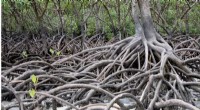
* Plants provide habitat: Forests, grasslands, and even coral reefs provide vital shelter and nesting grounds for countless animal species.
* Animals create habitats: Burrowing animals like rabbits and moles can create new environments that benefit other plants and animals.
* Co-evolution: Some animals have evolved specialized features that allow them to utilize specific plants for shelter. For example, birds build nests in trees, and squirrels live in tree cavities.
3. Pollination and Seed Dispersal:
* Animals as pollinators: Birds, bats, insects like bees, and even some mammals help spread pollen from flower to flower, enabling plants to reproduce.
* Seed dispersal: Animals often consume fruits and seeds, then later excrete them, sometimes far from the parent plant, facilitating seed dispersal and plant colonization.
* Mutualism: This is a classic example of mutualism – both plants and animals benefit from the relationship.
4. Defense and Protection:
* Plant defenses: Plants have developed various mechanisms to protect themselves from herbivores, including thorns, toxins, and unpalatable tastes.
* Animals as predators: Carnivores and insectivores control populations of herbivores, indirectly protecting plants from overgrazing.
* Co-evolutionary arms race: The ongoing interplay between plant defenses and animal adaptations drives a continuous evolutionary arms race, resulting in greater diversity and resilience in both plant and animal populations.
5. Beyond the Basics:
* Climate regulation: Plants play a vital role in regulating climate by absorbing carbon dioxide and releasing oxygen, which directly impacts animal survival and evolution.
* Ecosystem services: Plants provide numerous ecosystem services, including soil stabilization, water filtration, and air purification, all of which are crucial for maintaining healthy habitats for animals.
Challenges and Threats:
* Habitat loss and fragmentation: Human activities, such as deforestation and urbanization, are leading to the loss of essential plant habitats, disrupting the delicate balance of plant-animal interactions.
* Climate change: Changing temperatures and precipitation patterns can disrupt plant growth and phenology, impacting animal food sources and migration patterns.
* Invasive species: The introduction of invasive plant species can disrupt native plant-animal interactions, leading to ecological imbalances.
Conclusion:
The complex relationship between plants and animals is a testament to the interconnectedness of life on Earth. Understanding this intricate web of interactions is crucial for preserving biodiversity, promoting sustainable practices, and ensuring the well-being of our planet.