Structure:
* Sugar: RNA contains ribose sugar, which has an extra hydroxyl group compared to the deoxyribose sugar in DNA.
* Bases: RNA contains the nitrogenous bases adenine (A), guanine (G), cytosine (C), and uracil (U). Uracil replaces thymine (T) found in DNA.
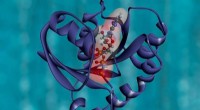
* Single-stranded: RNA is typically single-stranded, although it can fold into complex three-dimensional structures due to base pairing within the molecule.
* Short chains: RNA molecules are generally shorter than DNA molecules.
Functions:
* Messenger RNA (mRNA): Carries genetic information from DNA to ribosomes for protein synthesis.
* Transfer RNA (tRNA): Transports amino acids to ribosomes during protein synthesis.
* Ribosomal RNA (rRNA): Forms part of the ribosomes, which are the sites of protein synthesis.
* Other functions: RNA plays crucial roles in gene regulation, viral replication, and various other cellular processes.
Key differences from DNA:
* Sugar: Ribose in RNA vs. deoxyribose in DNA.
* Base: Uracil (U) in RNA vs. thymine (T) in DNA.
* Structure: Usually single-stranded in RNA vs. double-stranded in DNA.
* Function: Primarily involved in protein synthesis in RNA vs. storing genetic information in DNA.
In summary, RNA has ribose sugar, uracil base, a single-stranded structure, and plays a crucial role in protein synthesis and other cellular processes.