1. Nucleus:
* Stores and protects the genetic code (DNA): DNA contains the instructions for building proteins.
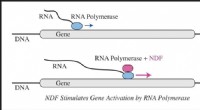
* Transcribes DNA into messenger RNA (mRNA): mRNA carries the genetic code from the nucleus to the ribosomes.
2. Ribosomes:
* Translate mRNA into proteins: Ribosomes read the genetic code in mRNA and assemble amino acids into protein chains.
3. Golgi apparatus:
* Processes and modifies proteins: The Golgi apparatus receives newly synthesized proteins from ribosomes and further modifies, sorts, and packages them.
* Adds sugars, lipids, and other modifications: These modifications help proteins fold correctly, target them to specific destinations, and activate their function.
* Packages proteins into vesicles: Vesicles are small, membrane-bound sacs that transport proteins to their final destinations.
4. Vesicles:
* Transport proteins: Vesicles bud off from the Golgi apparatus and move throughout the cell, delivering proteins to various locations, such as the cell membrane, lysosomes, or other organelles.
In summary, the process looks like this:
1. The nucleus transcribes DNA into mRNA.
2. Ribosomes translate mRNA into proteins.
3. The Golgi apparatus modifies and packages proteins into vesicles.
4. Vesicles transport proteins to their final destinations.
This intricate collaboration ensures that proteins are synthesized correctly, properly modified, and delivered to the right place within the cell, allowing the cell to function properly.