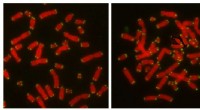
1. DNA (Genetic Material): This is the most crucial part that needs to be duplicated. The DNA is housed within chromosomes, which are copied through a process called DNA replication. This ensures that each daughter cell receives an identical copy of the genetic information.
2. Centrioles (in animal cells): These small, cylindrical structures play a role in organizing the microtubules that form the spindle fibers during cell division. In animal cells, centrioles are duplicated, so each new cell receives a pair.
3. Organelles: While not always completely duplicated, many organelles, like mitochondria, endoplasmic reticulum, and Golgi apparatus, are partially replicated or divided among the daughter cells. This ensures that both daughter cells receive a functional set of organelles.
It's important to note:
* Not all cellular components are duplicated. For example, the plasma membrane isn't directly copied. Instead, it expands and then divides during cytokinesis.
* The specific process of duplication varies depending on the type of cell division. For example, mitosis involves the duplication of all the cell's components, while meiosis involves two rounds of division, resulting in four daughter cells with half the genetic material of the parent cell.
Therefore, while DNA is the primary component that is directly copied during cell division, other cellular components are either duplicated or divided to ensure that the daughter cells inherit the necessary components for proper function.