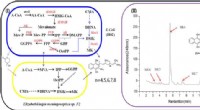
Catabolism: The breakdown of complex molecules into simpler ones, releasing energy. This process is often described as breaking down food for energy.
Anabolism: The synthesis of complex molecules from simpler ones, requiring energy. This process is often described as building up tissues and cells.
Key Functions of Metabolism:
* Energy production: Metabolism provides the energy needed for cellular processes, such as growth, repair, and movement.
* Nutrient processing: Metabolism breaks down food into nutrients that the body can use.
* Waste removal: Metabolism eliminates waste products from the body.
* Regulation of body functions: Metabolism helps to regulate body temperature, blood sugar levels, and other important functions.
Examples of Metabolic Processes:
* Digestion: The breakdown of food into smaller molecules.
* Cellular respiration: The process of converting glucose into ATP (adenosine triphosphate), the energy currency of cells.
* Photosynthesis: The process by which plants use sunlight to convert carbon dioxide and water into glucose.
* Protein synthesis: The process of building proteins from amino acids.
Factors Influencing Metabolism:
* Age: Metabolic rate slows down with age.
* Genetics: Individual genetic makeup influences metabolic rate.
* Hormones: Hormones like thyroid hormone and insulin regulate metabolism.
* Nutrition: Diet and exercise significantly impact metabolism.
* Stress: Stress can increase or decrease metabolic rate.
In summary, metabolism is the complex and vital process that enables organisms to sustain life by converting nutrients into energy, building and repairing tissues, and eliminating waste products.