Structure:
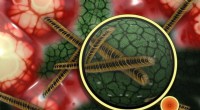
* Rigid and strong: Composed mainly of cellulose, a complex carbohydrate, the cell wall provides structural support and protection.
* Multi-layered: Typically has a primary and secondary cell wall, with the primary wall being thinner and more flexible.
* Porous: Contains plasmodesmata, channels that connect adjacent cells and allow for communication and transport of molecules.
Function:
* Protection: A physical barrier against external threats.
* Structural support: Maintains cell shape and prevents bursting due to internal pressure.
* Regulation of cell growth: Controls cell expansion and limits cell size.
* Communication: Facilitates the movement of substances between cells.
Key Differences from Animal Cells:
* Presence of a cell wall: Animal cells lack a rigid cell wall.
* Composition: Animal cells have a cell membrane, while plant cells have a cell wall in addition to the cell membrane.
Interesting Points:
* The cell wall can be modified in different plant cells, for example, the thickened cell walls in wood provide strength and support.
* The cell wall plays a vital role in plant growth and development.
In summary: The outer covering of plant cells, the cell wall, is a unique and crucial structure that provides strength, support, and regulation of cell function. It differentiates plant cells from animal cells and plays a vital role in plant life.