Here's why:
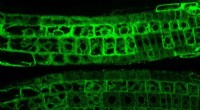
* Large Central Vacuole: Plant cells have a large central vacuole that takes up most of the cell's volume. It stores water, nutrients, waste products, and pigments.
* Smaller Vacuoles: Animal cells have smaller vacuoles, but they still play a role in storage.
* Other Storage Structures: While vacuoles are the primary storage organelles, other structures can contribute to storage, like:
* Vesicles: Small sacs that transport and store materials within the cell.
* Golgi Apparatus: Modifies, packages, and sorts proteins and lipids for storage or secretion.
Let me know if you have any other questions!