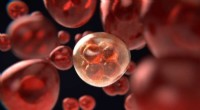
Cells are the fundamental building blocks of all living organisms. They are complex, self-contained entities that require a carefully controlled environment to function properly. This environment encompasses both the external environment surrounding the cell and the internal environment within the cell itself.
External Environment:
* Surrounding Medium: The external environment for most cells is the extracellular fluid (ECF), which includes fluids like blood plasma, lymph, and interstitial fluid.
* Physical Factors: These include temperature, pH, and pressure.
* Chemical Factors: This encompasses the concentration of nutrients, gases (like oxygen and carbon dioxide), waste products, and signaling molecules.
* Other Cells: The external environment includes interactions with other cells, like communication through signaling molecules or physical contact.
Internal Environment:
* Cytoplasm: The fluid within the cell, containing a variety of organelles and molecules.
* Organelles: Each organelle has a specific function, like mitochondria for energy production, the nucleus for DNA storage, and the Golgi apparatus for protein processing.
* Molecules: The cytoplasm contains a complex mixture of molecules, including proteins, carbohydrates, lipids, and nucleic acids, each with its own role.
* Chemical Composition: The internal environment must maintain a stable balance of ions, pH, and other chemical factors to ensure proper cellular function.
Interplay Between the Internal and External Environments:
* The cell membrane acts as a barrier, controlling the passage of substances between the internal and external environments.
* Transport mechanisms: The cell uses active and passive transport mechanisms to move molecules across the membrane, maintaining the internal environment's composition.
* Signaling: Cells receive signals from the external environment and respond by adjusting their internal processes, ensuring adaptation and survival.
Maintaining Homeostasis:
The cell's ability to maintain a stable internal environment, despite fluctuations in the external environment, is called homeostasis. This vital process is essential for cell survival and overall organism function.
In Summary:
The internal and external environments of a cell are interconnected and crucial for its survival and function. The cell membrane acts as a gatekeeper, controlling the exchange of substances between these environments. Maintaining a stable internal environment, or homeostasis, is achieved through complex cellular processes that respond to external stimuli.