1. Isolation:
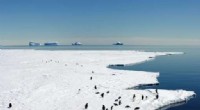
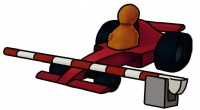
* Geographic isolation: A physical barrier separates populations (e.g., a mountain range, river, or ocean). This prevents gene flow between the groups, allowing them to evolve independently.
* Reproductive isolation: Populations develop mechanisms that prevent interbreeding, even if they live in the same area. This can be due to differences in mating rituals, breeding seasons, or incompatible reproductive organs.
2. Genetic Divergence:
* Mutations: Random changes in DNA accumulate in each isolated population. Some mutations might be beneficial, allowing individuals to adapt better to their environment.
* Genetic drift: Random fluctuations in gene frequencies occur in small populations, leading to a loss of genetic diversity.
* Natural selection: The environment selects for individuals with traits that increase their survival and reproduction. Over time, these advantageous traits become more common in the population.
3. Reproductive Incompatibility:
* Accumulated genetic differences: The isolated populations become so genetically different that they can no longer interbreed successfully. This can involve:
* Hybrid inviability: Hybrid offspring are unable to survive.
* Hybrid sterility: Hybrid offspring are fertile.
* Behavioral isolation: Differences in mating rituals prevent interbreeding.
4. Speciation:
* Once the genetic differences are significant enough to prevent successful interbreeding, the isolated populations are considered separate species.
Important Notes:
* Speciation is a gradual process: It can take hundreds, thousands, or even millions of years.
* There is no fixed timeline: The speed of speciation depends on factors like the size of the population, the strength of selective pressures, and the rate of mutation.
* Speciation can occur in various ways: The process can be gradual or rapid, and there are different mechanisms besides those described above.
In summary: Speciation occurs when populations become isolated and genetically diverge to the point where they can no longer interbreed, leading to the formation of distinct species.