The world of living organisms is diverse, from microscopic bacteria to towering trees. At the foundation of all life, we find the cell, the basic unit of life. Cells come in two main categories: prokaryotic and eukaryotic. Let's explore their key differences:
Prokaryotic Cells:
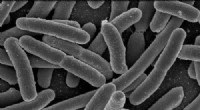
* Simple and Small: These are the simplest and smallest type of cells, lacking a true nucleus and other membrane-bound organelles.
* No Nucleus: Their genetic material (DNA) is located in a region called the nucleoid, but not enclosed by a membrane.
* Few Organelles: They have only a few basic organelles like ribosomes, which are involved in protein synthesis.
* Examples: Bacteria and Archaea
Eukaryotic Cells:
* Complex and Large: These are larger and more complex cells, containing a true nucleus and other membrane-bound organelles.
* True Nucleus: Their DNA is enclosed within a membrane-bound nucleus, separating it from the rest of the cell.
* Many Organelles: They have a variety of specialized organelles like mitochondria, endoplasmic reticulum, Golgi apparatus, etc., each performing specific functions.
* Examples: Plants, animals, fungi, protists
Here's a table summarizing the key differences:
| Feature | Prokaryotic Cells | Eukaryotic Cells |
|---|---|---|
| Size | Smaller (1-10 micrometers) | Larger (10-100 micrometers) |
| Nucleus | Absent | Present |
| Organelles | Few, basic | Many, specialized |
| DNA | Circular, located in nucleoid | Linear, located within nucleus |
| Ribosomes | Smaller (70S) | Larger (80S) |
| Cell Wall | Usually present | Present in plants, fungi, some protists |
| Cytoskeleton | Simple | Complex |
| Examples | Bacteria, Archaea | Plants, animals, fungi, protists |
In a nutshell:
* Prokaryotic cells are like a small, efficient "one-room apartment" with minimal furniture.
* Eukaryotic cells are like a spacious, luxurious "mansion" with specialized rooms for different activities.
Understanding the differences between prokaryotic and eukaryotic cells is crucial for comprehending the diversity of life and the functioning of living organisms.