Here's a breakdown:
* Introns: These are non-coding regions within a gene. They are transcribed into RNA but are later removed from the pre-mRNA molecule before it leaves the nucleus.
* Exons: These are the coding regions of a gene. They are spliced together to form the mature mRNA molecule that will be translated into a protein.
The Process:
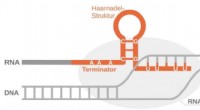
1. Transcription: The DNA sequence of a gene is transcribed into a pre-mRNA molecule. This molecule contains both introns and exons.
2. Splicing: Introns are removed from the pre-mRNA molecule through a process called splicing. This is done by a complex of proteins and RNA molecules called the spliceosome.
3. Mature mRNA: The exons are joined together to form the mature mRNA molecule. This molecule is then transported out of the nucleus into the cytoplasm where it can be translated into a protein.
Why remove introns?
* Efficiency: Introns can be very large, and removing them before translation makes the mRNA molecule smaller and more efficient to transport.
* Regulation: The splicing process can be regulated, allowing different proteins to be produced from the same gene. This is known as alternative splicing.
In summary: Introns are non-coding regions of RNA that are removed before the mature mRNA molecule leaves the nucleus. This process is essential for gene expression and allows for the production of a wide variety of proteins from a limited number of genes.