Here's why:
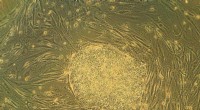
* Community of Cells: Multicellular organisms are made up of many different types of cells that work together in a coordinated way. These cells often specialize to perform specific functions, creating tissues and organs.
* Large: They are much larger than single-celled organisms (like bacteria or amoebas) and are often visible to the naked eye.
* Organisms: They are complete living beings with all the characteristics of life, including the ability to grow, reproduce, and maintain homeostasis.
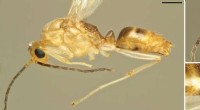
Examples of multicellular organisms include:
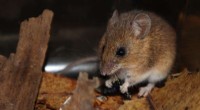
* Animals: Humans, dogs, birds, fish, insects
* Plants: Trees, flowers, ferns, grasses
* Fungi: Mushrooms, molds
Multicellularity is a key evolutionary adaptation that allowed organisms to become larger, more complex, and develop specialized functions.