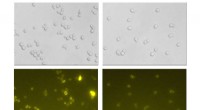
* Xylem: The most prominent hollow cells are found in the xylem, a tissue responsible for transporting water and dissolved minerals upwards from the roots. The xylem is composed of several cell types, including vessel elements and tracheids. These cells are dead at maturity, their cytoplasm and organelles gone, leaving behind empty, interconnected tubes. This allows water to flow freely through the xylem, unimpeded by cell contents.
* Parenchyma cells: While not as hollow as xylem, some parenchyma cells in the stem also contribute to support. These cells can have large vacuoles (fluid-filled sacs) that occupy most of the cell volume. This creates a rigid structure and contributes to the overall strength of the stem.
Benefits of Hollow Cells:
* Efficient transport: The hollow nature of xylem cells allows water to move quickly and efficiently through the plant, driven by pressure gradients.
* Structural support: The empty spaces within the xylem and the large vacuoles in parenchyma cells contribute to the stem's structural integrity, allowing it to stand upright and support leaves and flowers.
* Reduced weight: By being hollow, these cells require less material, making the stem lighter and reducing the energy required for its growth and maintenance.
Conclusion:
The hollowness of certain cells in a plant stem is a key adaptation that allows for efficient water transport and structural support, ultimately contributing to the overall growth and survival of the plant.