1. Atoms: The fundamental units of matter, like carbon, hydrogen, and oxygen.
2. Molecules: Two or more atoms bonded together, like water (H₂O) and DNA.
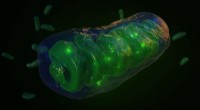
3. Organelles: Specialized structures within cells that perform specific functions, like mitochondria (powerhouse of the cell) and the nucleus (contains DNA).
4. Cells: The basic unit of life, containing all the necessary components for life, such as a membrane, cytoplasm, and genetic material.
5. Tissues: Groups of similar cells that work together to perform a specific function, like muscle tissue or nervous tissue.
6. Organs: Structures composed of different tissues that work together to perform a complex function, such as the heart, lungs, or stomach.
7. Organ Systems: Groups of organs that cooperate to carry out major bodily functions, like the digestive system or the circulatory system.
8. Organisms: A complete living being made up of organ systems working together, like a human, a tree, or a bacterium.
9. Populations: Groups of the same species living in the same area and interacting with each other.
10. Communities: Different populations of different species living in the same area and interacting with each other.
11. Ecosystems: All the living organisms (biotic factors) in a given area, as well as the non-living components (abiotic factors) of their environment, such as air, water, and soil.
12. Biomes: Large-scale ecosystems characterized by distinctive climate and vegetation, like forests, deserts, or oceans.
13. Biosphere: The entire portion of Earth inhabited by life, encompassing all ecosystems.
This hierarchy provides a framework for understanding the interconnectedness of life and how complex structures emerge from simpler ones.