Mitosis:
1. Interphase: The cell grows and replicates its DNA, creating two identical copies of each chromosome.
2. Prophase: The chromosomes condense and become visible. The nuclear envelope breaks down, and spindle fibers form.
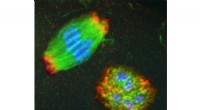
3. Metaphase: The chromosomes line up at the center of the cell, attached to the spindle fibers.
4. Anaphase: The sister chromatids (identical copies) of each chromosome separate and move to opposite poles of the cell.
5. Telophase: The chromosomes uncoil, the nuclear envelope reforms around each set of chromosomes, and the cell divides (cytokinesis) into two daughter cells.
Key Differences between Mitosis and Meiosis:
* Number of daughter cells: Mitosis produces two daughter cells, while meiosis produces four.
* Chromosome number: Mitosis produces daughter cells with the same number of chromosomes as the parent cell (diploid). Meiosis produces daughter cells with half the number of chromosomes as the parent cell (haploid).
* Genetic variation: Mitosis produces genetically identical daughter cells. Meiosis produces genetically diverse daughter cells due to crossing over and independent assortment.
Why Mitosis is Important:
* Growth: Mitosis allows organisms to grow by increasing the number of cells in their bodies.
* Repair: It helps repair damaged tissues by replacing lost or damaged cells.
* Asexual Reproduction: Some organisms, like bacteria and plants, use mitosis for asexual reproduction.
Examples of Cells that Reproduce by Mitosis:
* All somatic cells (body cells) in multicellular organisms, except germ cells.
* Single-celled organisms like bacteria and amoeba.
In summary, mitosis is a process of cell division that produces two identical daughter cells from a single parent cell. It is essential for growth, repair, and asexual reproduction.