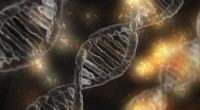
* Deoxyribose sugar: This is a five-carbon sugar molecule that gives DNA its name (deoxyribonucleic acid).
* Phosphate group: This is a negatively charged molecule that provides the backbone with its structural integrity and allows for the formation of phosphodiester bonds.
These two components are linked together in an alternating pattern to form a long chain, much like the rungs of a ladder. The sugar and phosphate groups are linked by phosphodiester bonds, which are strong covalent bonds that hold the DNA molecule together.
It's important to note that the nitrogenous bases (adenine, guanine, cytosine, and thymine) are attached to the sugar molecules, but they do not form part of the backbone. They project inwards and pair with each other to form the "rungs" of the DNA ladder.