Examples of unicellular organisms include:
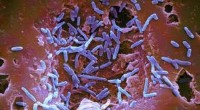
* Bacteria: These are prokaryotic cells, meaning they lack a nucleus and other membrane-bound organelles.
* Archaea: These are also prokaryotic cells and are often found in extreme environments like hot springs or highly saline waters.
* Protozoa: These are eukaryotic cells, meaning they have a nucleus and other membrane-bound organelles.
These single-celled organisms are capable of performing all the functions necessary for life, including obtaining nutrients, producing energy, and reproducing.