Cell membranes are the protective barriers that enclose all cells, regulating what enters and exits. While all cell membranes share fundamental components and functions, significant differences exist between them, based on:
1. Composition:
* Phospholipid Bilayer: The core structure of all cell membranes. The phospholipids are arranged with their hydrophilic heads facing the watery environment inside and outside the cell, and hydrophobic tails facing each other in the interior.
* Proteins: Cell membranes are studded with various proteins, each with unique functions.
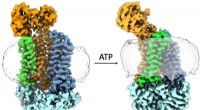
* Integral membrane proteins: Permanently embedded within the membrane, often spanning its entire width.
* Peripheral membrane proteins: Loosely associated with the membrane surface, often interacting with integral proteins.
* Cholesterol: Animal cell membranes contain cholesterol, which helps maintain fluidity and stability.
* Carbohydrates: Sugar molecules attached to lipids (glycolipids) or proteins (glycoproteins) are often found on the outer surface of cell membranes.
2. Function:
* Selective Permeability: Regulates the movement of substances in and out of the cell, allowing some molecules to pass while blocking others.
* Cell Signaling: Receptors on the cell membrane receive signals from the environment, triggering internal responses.
* Cell Adhesion: Proteins and carbohydrates on the cell membrane facilitate interactions between cells and the extracellular matrix.
* Cell Recognition: Unique combinations of carbohydrates and proteins allow cells to recognize and interact with each other.
3. Differences:
* Cell Type: Plant, animal, bacterial, and fungal cells all have cell membranes with varying compositions and functions.
* Plant cells: Have a cell wall outside the cell membrane for extra support and protection.
* Bacterial cells: Have a thicker peptidoglycan layer outside the cell membrane for structural integrity.
* Animal cells: Have cholesterol embedded in their membranes, while plant cells do not.
* Organelle Membranes: Different organelles within a cell have specialized membranes tailored to their functions. For example, the mitochondria's inner membrane has folds called cristae to increase surface area for ATP production.
* Specialized Functions: Certain cell types have specialized cell membranes that perform unique tasks. For example, red blood cells have a high concentration of membrane proteins for oxygen transport.
Here's a table summarizing key differences in cell membrane composition and function:
| Feature | Animal Cell Membrane | Plant Cell Membrane | Bacterial Cell Membrane |
| --------------- | ----------------------------- | ----------------------------- | -------------------------------- |
| Phospholipids | Present | Present | Present |
| Proteins | Present | Present | Present |
| Cholesterol | Present | Absent | Absent |
| Carbohydrates | Present | Present | Present |
| Cell Wall | Absent | Present | Present (Peptidoglycan layer) |
| Function | Selective permeability, cell signaling, cell adhesion, cell recognition | Selective permeability, cell signaling, cell adhesion, cell recognition | Selective permeability, cell signaling, cell adhesion, cell recognition |
| Examples | Red blood cells, neurons, muscle cells | Chloroplasts, vacuoles, cell wall | Bacteria, archaea |
Understanding these differences is crucial for comprehending the diverse roles cell membranes play in various cell types and biological processes.