1. Carbohydrates:
* Sugars: Glucose, fructose, sucrose, lactose, maltose
* Polysaccharides: Starch, cellulose, glycogen
2. Lipids:
* Fats: Triglycerides, cholesterol
* Phospholipids: Phosphatidylcholine, phosphatidylserine
* Steroids: Testosterone, estrogen
3. Proteins:
* Enzymes: Amylase, pepsin, lipase
* Hormones: Insulin, glucagon, growth hormone
* Antibodies: Immunoglobulin G, immunoglobulin M
* Structural proteins: Collagen, keratin
4. Nucleic Acids:
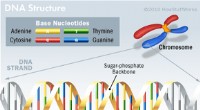
* DNA: Deoxyribonucleic acid
* RNA: Ribonucleic acid
* ATP: Adenosine triphosphate
5. Vitamins:
* Water-soluble vitamins: Vitamin C, B vitamins
* Fat-soluble vitamins: Vitamin A, D, E, K
6. Minerals:
* Macrominerals: Calcium, phosphorus, magnesium, sodium, potassium, chloride
* Microminerals: Iron, zinc, copper, iodine, selenium
7. Other:
* Water: The most abundant molecule in living organisms.
* Gases: Oxygen, carbon dioxide, nitrogen.
* Pigments: Chlorophyll, melanin.
Examples of biochemicals and their functions:
* Glucose: Provides energy for cellular processes.
* Insulin: Regulates blood sugar levels.
* Collagen: Provides structural support to tissues.
* DNA: Stores genetic information.
* ATP: The energy currency of the cell.
* Chlorophyll: Captures light energy for photosynthesis.
These are just a few examples, and the list of biochemicals is vast and constantly expanding as scientists learn more about the complex world of living organisms.