1. Nucleus:
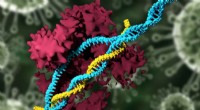
* Function: The control center of the cell, containing DNA which carries the genetic instructions for building and maintaining the organism.
2. Ribosomes:
* Function: Responsible for protein synthesis, using the genetic code from DNA to build proteins that perform a wide range of cellular functions.
3. Mitochondria:
* Function: Powerhouse of the cell, converting nutrients into energy (ATP) through cellular respiration.
4. Endoplasmic Reticulum (ER):
* Function: A network of membranes that serves as a manufacturing and transport system.
* Rough ER: Studded with ribosomes and involved in protein folding and modification.
* Smooth ER: Synthesizes lipids, detoxifies harmful substances, and stores calcium ions.
5. Golgi Apparatus:
* Function: Processes, sorts, and packages proteins and lipids into vesicles for transport within the cell or outside the cell.
6. Lysosomes:
* Function: Contain digestive enzymes that break down waste materials, cellular debris, and engulfed bacteria or viruses.
7. Vacuoles:
* Function: Storage compartments for water, nutrients, and waste products. In plant cells, they play a crucial role in maintaining cell turgor pressure.
8. Chloroplasts:
* Function: Found only in plant cells, they are responsible for photosynthesis, converting light energy into chemical energy (glucose) and releasing oxygen.
9. Cell Membrane:
* Function: A selectively permeable barrier that regulates the passage of substances into and out of the cell, protecting it from the external environment.
10. Cytoskeleton:
* Function: A network of protein filaments that provides structural support, helps maintain cell shape, and facilitates movement within the cell.
Together, these microscopic structures work in a coordinated way to maintain the life of the cell and contribute to the overall functioning of the organism.