Early Pioneers:
* Gregor Mendel (1822-1884): Often called the "Father of Genetics," Mendel's experiments with pea plants established the fundamental principles of inheritance: segregation and independent assortment.
* Walter Flemming (1843-1905): First observed and described chromosomes during cell division.
* August Weismann (1834-1914): Proposed the theory of germ plasm, stating that hereditary information is carried in specialized cells that are separate from the body's cells.
The Birth of Modern Genetics:
* Thomas Hunt Morgan (1866-1945): His work with fruit flies (Drosophila) provided strong evidence for the chromosome theory of inheritance and helped establish the concept of linked genes.
* Alfred H. Sturtevant (1891-1970): A student of Morgan's, Sturtevant created the first genetic map, showing the relative positions of genes on a chromosome.
* Ronald Fisher (1890-1962): Developed statistical methods to analyze genetic data and contributed to the modern synthesis of evolutionary theory.
Further Developments:
* James Watson and Francis Crick (1953): Discovered the double helix structure of DNA, which laid the foundation for understanding how genetic information is stored and replicated.
* Barbara McClintock (1902-1992): Discovered "jumping genes" (transposons), showing how genes can move within a genome.
Modern Genetics:
* The Human Genome Project (1990-2003): A massive collaborative effort to sequence the entire human genome, opening up new avenues for understanding human health and disease.
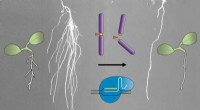
* CRISPR-Cas9 technology: A revolutionary gene editing tool that allows scientists to precisely modify DNA sequences, with applications in medicine, agriculture, and other fields.
These are just some of the key figures who contributed to the foundation of modern genetics. The field is constantly evolving, and new discoveries are being made all the time.